
Digital games can have a positive impact on children's well-being
BILLUND, DENMARK, APRIL 30, 2024: Digital games can contribute to and support children's well-being if they are designed with children's needs in mind, according to new research from UNICEF Innocenti – Global Office of Research and Foresight.

The research shows that well-designed digital play experiences can help children experience a sense of control, agency, mastery and feelings of achievement. They can also help children regulate their emotions, feel connected to others, and find joy in creating, discovering, and implementing new ideas. These types of experiences are essential for children's well-being and can even support their development.
Bo Viktor Nylund, Director of UNICEF Innocenti, said: “For decades, people have often assumed that playing digital games is somehow bad for children and undermines their well-being. But our new study paints a much more complex picture – one in which these games can actually contribute to children's well-being and positively support them as they grow.”
“But not all children are positively affected by games, and – crucially – not all games have a positive impact on children. If games are to support children's well-being, game designers must take children's needs into account and design games that support those needs,” said Nylund.
Anna Rafferty, Senior Vice President Digital Consumer Engagement, The LEGO Group, said: “This exciting research from UNICEF and leading academics shows that safe and inclusive digital play can have a very positive impact on children's lives. We're proud to work with like-minded organizations to understand how digital experiences can be designed in a way that puts children's well-being first. These findings will enable responsible companies to create a digital future where children are safe, cared for and equipped to thrive.”

Digital producers can and should design for children's well-being
This research was conducted as part of the Responsible Innovation in Technology for Children (RITEC) project, an international collaboration between organizations that believe the design and development of digital technology should support the rights and well-being of children. The project was co-founded by UNICEF and the LEGO Group and is funded by the LEGO Foundation.
The research found that games can support children's sense of autonomy, competence, creativity and identity, and help them regulate emotions and build relationships. But to support one or more of these aspects of well-being, digital games must include certain features. For example, to support children's sense of autonomy, a game can put them in control, allow them to make decisions about gameplay and encourage them to develop their own strategies to progress. Or to support creativity, a game can allow children to freely explore and solve problems, or create their own characters or stories.
Bo Viktor Nylund said: “This research not only helps us understand how games can influence children's well-being, but also helps the producers and designers of these games understand what elements they can include to support children. We hope they will take these findings into consideration when designing the games our children will play in the future.”
The safety and security of children playing digital games – a vital topic that has already been the subject of much research – was not as heavily a focus of this study, but was still found to be fundamental to protecting children's wellbeing.
This research – carried out in collaboration with the University of Sheffield, New York University, City University New York and Queensland University of Technology – finds that digital games companies and game designers can and should support children's wellbeing through the games. they produce, convincingly demonstrating that digital play has a particularly positive impact on children's well-being when it taps into their deep interests, needs and desires.
Today's publication of a report on the research and its findings will be followed later this year by the launch of a guide to help companies integrate these findings into the games they design.
Notes for editors
About the research
The study included three research initiatives: experimental research through a multi-week digital play intervention involving 255 children aged eight to twelve in the US, Chile and South Africa; observational study in the homes of 50 families over a 14-month period with children aged six to twelve in Australia, Cyprus, South Africa and the United Kingdom; and laboratory research measuring heart rate, eye tracking, facial expressions and galvanic skin response in 69 children playing digital games, aged between seven and 13, in Australia.
UNICEF does not endorse any company, brand, product or service.
Read the full report here.
For media inquiries please contact:
-

How can you help your child sleep better? The LEGO professor is happy to give you tips
READ MORE -

What is "LEGO SNOT". Part 1 of the 2TTOYS course "learning to build with LEGO"
READ MORE -

This is the real reason why LEGO Star Wars designers hide pink bricks in sets
READ MORE -

Do you remember these vintage LEGO® sets from your childhood?
READ MORE


LATEST LEGO SETS
-
LEGO 3-in-1 dieren op wielen 10448 DUPLO
Regular price €29,99 EURRegular price€34,99 EURSale price €29,99 EURSale -
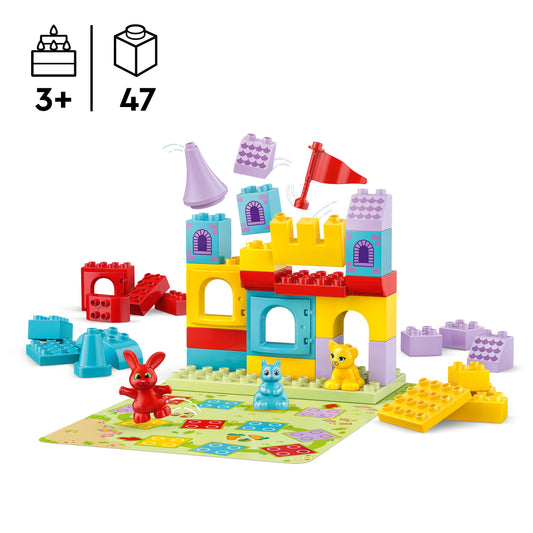
LEGO Hopsy's kasteelspel 10450 DUPLO
Regular price €33,99 EURRegular price€39,99 EURSale price €33,99 EURSale -
LEGO McQueens bezoek aan Docs garage 10456 DUPLO
Regular price €25,99 EURRegular price€29,99 EURSale price €25,99 EURSale -
LEGO De tuin en kas van Opa Big 10461 Peppa Pig
Regular price €67,99 EURRegular price€79,99 EURSale price €67,99 EURSale -
LEGO Minnie's huisdierenhotel 43274 Disney
Regular price €33,99 EURRegular price -
LEGO Centraal Station 60469 City
Regular price €76,99 EURRegular price -
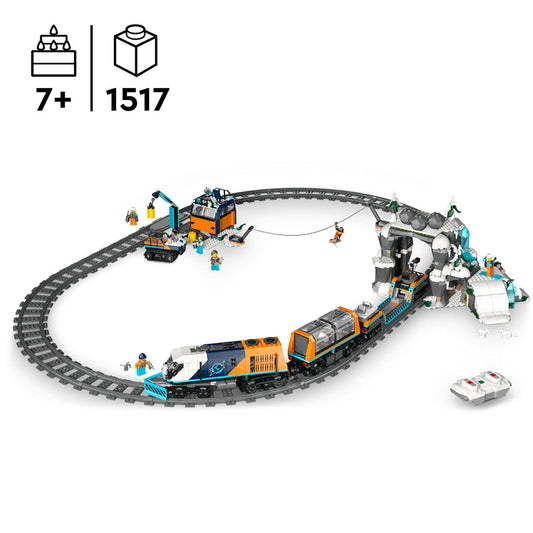
LEGO Arctic Explorer Polar Express Trein 60470 City
Regular price €169,99 EURRegular price -
LEGO Nachtmerrie haaienonderzeeër 71500 Dreamzzz
Regular price €125,99 EURRegular price -
LEGO Arins Spinjitzu strijdmecha 71839 Ninjago
Regular price €17,99 EURRegular price -
LEGO Rontu de Meesterdraak 71842 Ninjago
Regular price €39,99 EURRegular price -
LEGO Ninja strijdvoertuig 71844 Ninjago
Regular price €76,99 EURRegular price -
LEGO De vuurriddermecha 71846 Ninjago (Pre-Order: juni)
Regular price €101,99 EURRegular price -
LEGO Plo Koons Jedi Starfighter™ microfighter 75400 StarWars
Regular price €12,74 EURRegular price€14,99 EURSale price €12,74 EURSale -
LEGO 77241 (Pre-Order: March 2025)
Regular price €25,99 EURRegular price -
LEGO 77241 (Pre-Order: March 2025)
Regular price €42,99 EURRegular price -
LEGO 77241 (Pre-Order: March 2025)
Regular price €84,99 EURRegular price -
LEGO 77241 (Pre-Order: March 2025)
Regular price €224,99 EURRegular price -
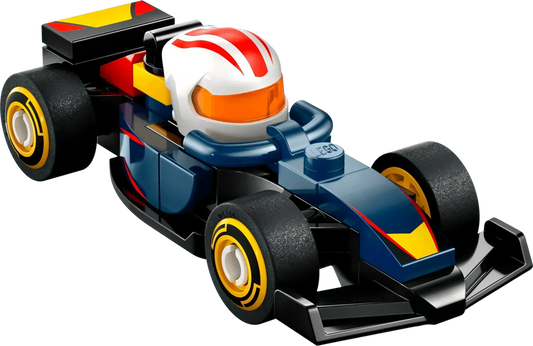
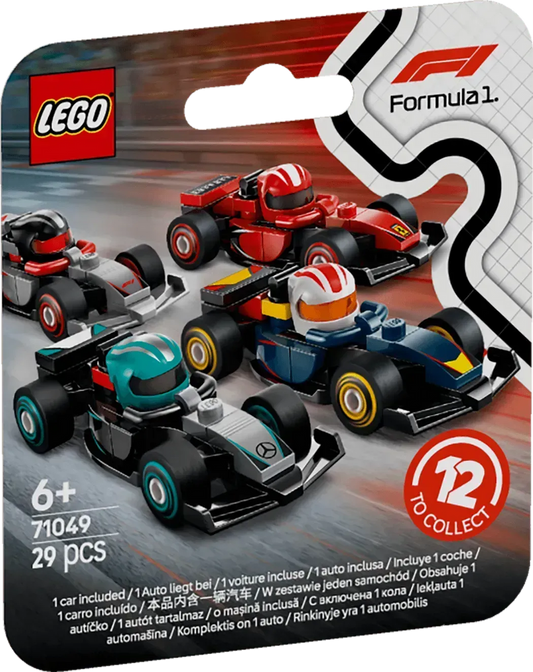
LEGO Formula 1 Drivers with their Car 71049 Minifigures (Set 12 Pieces)
Regular price €54,99 EURRegular price -
LEGO Formula 1 Drivers with their Car 71049 Minifigures (Set 12 Pieces)
Regular price €4,49 EURRegular price -
LEGO Formula 1 Drivers with their Car 71049 Minifigures (Set 12 Pieces)
Regular price €4,49 EURRegular price -
LEGO Formula 1 Drivers with their Car 71049 Minifigures (Set 12 Pieces)
Regular price €4,49 EURRegular price -
LEGO Formula 1 Drivers with their Car 71049 Minifigures (Set 12 Pieces)
Regular price €4,49 EURRegular price -
LEGO Formula 1 Drivers with their Car 71049 Minifigures (Set 12 Pieces)
Regular price €4,49 EURRegular price -
LEGO Formula 1 Drivers with their Car 71049 Minifigures (Set 12 Pieces)
Regular price €4,49 EURRegular price -
LEGO 77241 (Pre-Order: March 2025)
Regular price €84,99 EURRegular price€99,99 EURSale price €84,99 EURSale











SELECTED FOR YOU
-
LEGO 21062 (Pre-Order: March 2025)
Regular price €135,99 EURRegular price -
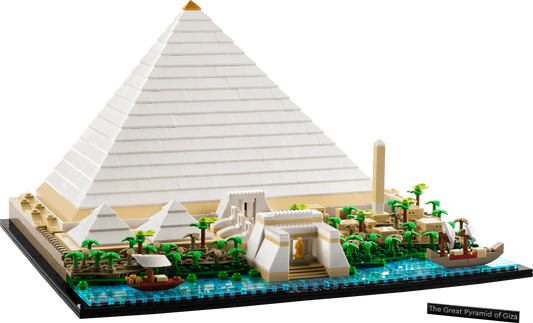
LEGO Pyramid of Giza 21058 Architecture
Regular price €118,99 EURRegular price -
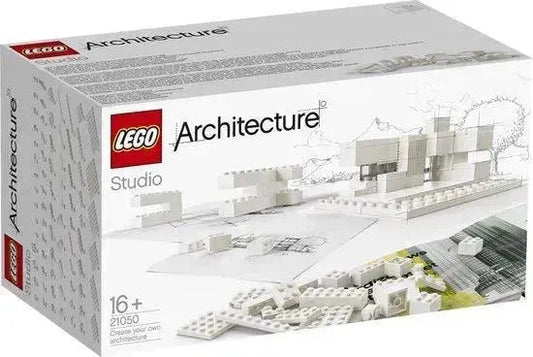
LEGO Build your own Architecture buildings with this set Studio 21050 Architecture
Regular price €449,99 EURRegular price -
LEGO Statue of Liberty 21042 Architecture
Regular price €84,99 EURRegular price -
LEGO Trafalgar Square London 21045 Architecture
Regular price €99,99 EURRegular price -
LEGO Himeji Castle 21060 Architecture
Regular price €135,99 EURRegular price







-

LEGO Avatar
LEGO Avatar: Dive into the wonderful world of Pandora! Build with Jake...
-

LEGO Icons
Relive your childhood with LEGO Icons sets, specially designed for nostalgic adults....
-

LEGO Classic
Discover endless building fun with LEGO Classic sets! This collection offers a...


